
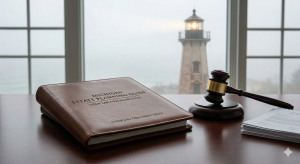
Planning your estate is like a lighthouse for your family—providing a clear path through the legal fog of probate.
If you’ve ever sat down to discuss estate planning, you’ve likely heard the word “probate” tossed around like a cautionary tale. It’s often spoken of in hushed, frustrated tones, usually followed by the advice: “Whatever you do, make sure your family avoids it.”
But what is it, exactly? Is it truly the legal boogeyman it’s made out to be, or just a misunderstood part of the process? Let’s pull back the curtain on the probate process and explore why so many people work hard to keep their estates out of it.
What is Probate?
At its simplest, probate is the court-supervised legal process of settling a deceased person’s estate. When someone passes away, their assets can’t just “float” in limbo. Someone has to ensure the bills are paid and the remaining property gets to the right people.
The probate process typically involves:
-
Validating the Will: The court confirms that the deceased’s will is legally binding.
-
Appointing a Personal Representative: If there’s a will, the court officially appoints the person named to manage the estate. If there isn’t one, the court appoints an administrator.
-
Inventorying Assets: All property, from bank accounts to real estate, is identified and appraised.
-
Paying Debts and Taxes: Creditors are notified, and final debts and taxes are paid from the estate’s funds.
-
Distributing the Remainder: Once the “business” is settled, the remaining assets are distributed to the heirs.
The “Why”: Why Does Everyone Want to Avoid It?
If probate is just a way to settle an estate, why the bad reputation? While it serves a necessary legal function, it comes with three major drawbacks that can be a headache for grieving families.
1. It’s Expensive
Probate isn’t free. Between court filing fees, appraisal costs, executor fees, and—most significantly—attorney fees, the costs can add up quickly. Depending on the state and the complexity of the estate, probate can consume anywhere from 3% to 7% of the total estate value. That’s money that could have gone to your loved ones instead of legal paperwork.
2. It’s a Time Sink
The legal system doesn’t move fast. Even a “simple” probate case often takes six months to a year. If the estate is complex or if a family member contests the will, it can drag on for years. During this time, assets may be “frozen,” making it difficult for heirs to access the funds they might need for immediate expenses.
3. It’s Public Record
Most people value their privacy, but probate is a public process. Once a will is filed, it becomes a public document. Anyone—from curious neighbors to predatory “inheritance scammers”—can go to the courthouse and see exactly what you owned, who you owed money to, and who is receiving your assets.
How Do You Avoid It?
The good news is that probate isn’t inevitable. With a little bit of proactive estate planning, you can ensure your assets pass directly to your beneficiaries without the court’s intervention. In Michigan, we have specific tools like the Lady Bird Deed that avoid probate.
| Strategy | How it Works |
| Living Trusts | Assets held in a trust pass directly to beneficiaries outside of probate. |
| Beneficiary Designations | Accounts like 401(k)s and Life Insurance pay out directly to named individuals. |
| Joint Ownership | Property owned as “Joint Tenants with Rights of Survivorship” passes to the survivor automatically. |
| Transfer-on-Death (TOD) | Many states allow TOD deeds for real estate or TOD registrations for vehicles. |
The Bottom Line
Probate isn’t “evil,” but it is often unnecessary, slow, and costly. By taking the time to organize your estate now, you aren’t just managing your money—you’re giving your family the gift of a smoother, more private transition during a difficult time.
We Can Help ~ Estate Planning in New Baltimore, Chesterfield and Macomb County Michigan
The estate planning attorneys of the Penzien Legal Group, PLLC have been helping families and business owners with their estate planning needs for more than two decades. If you are looking for a compassionate estate planning attorney in New Baltimore that can help you through the estate planning process, conduct a review of your existing estate plan, or if you would like additional information about our services, give us a call at (586) 464-1900, complete our contact us form or book an appointment using our convenient calendar link. Set up a strategy session today.